
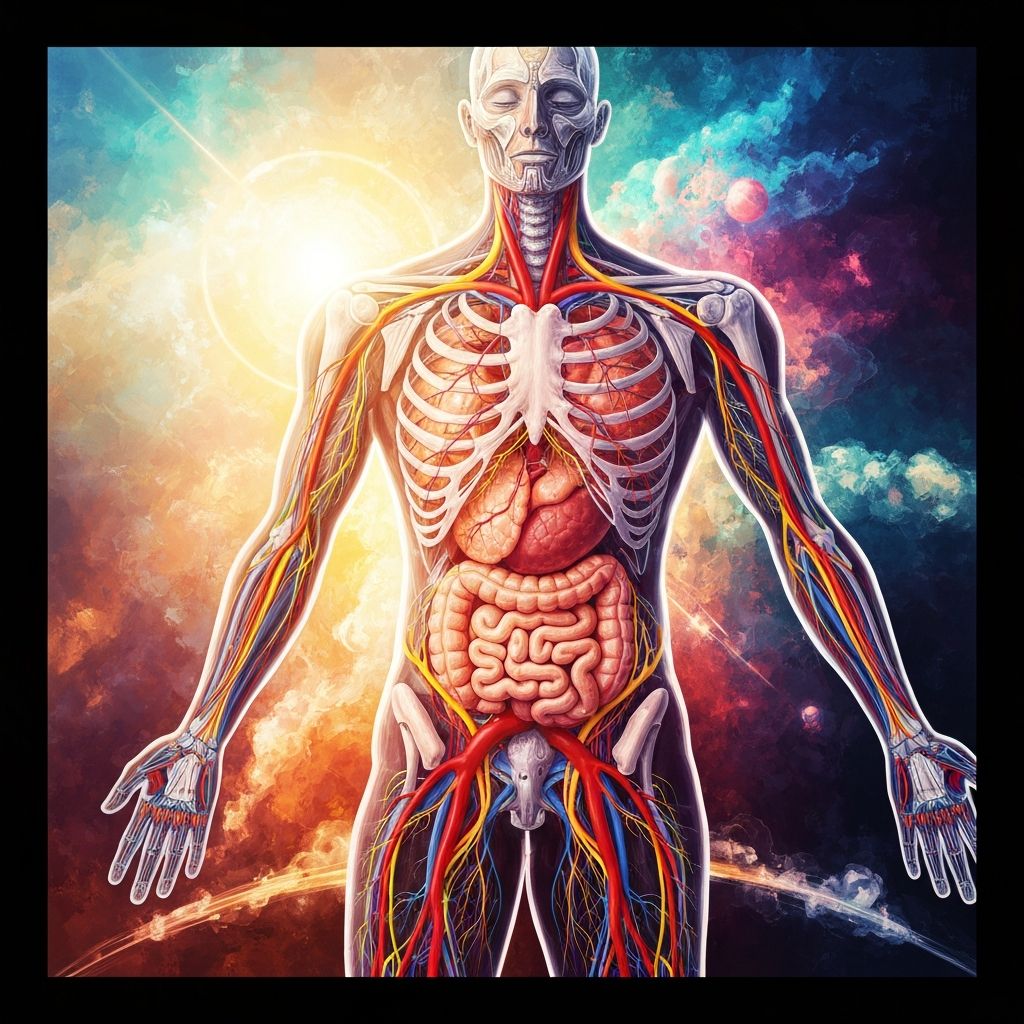
Our bodies in dreams serve as powerful symbols for how we experience ourselves, our identities, and our place in the world. Understanding body-related dream symbols can reveal deep insights about self-image, confidence, and psychological well-being.
The Body as Symbol
In dream language, the body represents:
- Identity: How you see and define yourself
- Self-image: Your perception of your appearance and worth
- Boundaries: Where you end and others begin
- Power and agency: Your ability to act in the world
- Vulnerability: Areas where you feel exposed or unprotected
- Life force: Vitality, health, and connection to physical existence
Common Body Dream Themes
Teeth Falling Out
Common Scenarios: Crumbling, falling out, rotting, breaking
Symbolic Meanings:
- Concerns about appearance and attractiveness
- Fear of aging or losing vitality
- Communication anxieties or saying the wrong thing
- Loss of power or ability to assert yourself
- Major life transitions and instability
- Insecurity about being judged
Integration: Examine where you feel powerless to communicate or fear judgment about your appearance or capabilities.
Hair Loss or Change
Common Scenarios: Going bald, hair falling out, drastic haircut, wrong color
Symbolic Meanings:
- Identity shifts or loss of identity
- Concerns about aging and vitality
- Loss of strength or personal power (Samson archetype)
- Shedding old identity or beliefs
- Vulnerability and exposure
- Lack of control over self-presentation
Integration: Consider what aspects of your identity feel threatened or in transition, or where you're releasing old self-concepts.
Nakedness or Partial Clothing
Common Scenarios: Public nakedness, inappropriate clothing, exposed to others
Symbolic Meanings:
- Feeling exposed or vulnerable
- Fear of being "seen" or truly known
- Shame or embarrassment about authentic self
- Concerns about being judged or criticized
- Desire for authenticity versus fear of exposure
- Unpreparedness in social or professional situations
Integration: Explore where you're hiding your authentic self or fear others seeing the "real you."
Body Parts Missing or Damaged
Common Scenarios: Missing limbs, injuries, body not working properly
Symbolic Meanings:
- Feeling incomplete or inadequate
- Loss of capability in specific life areas
- Emotional wounds manifesting physically
- Feeling "handicapped" in pursuit of goals
- Self-sabotage or limiting beliefs
- Need for healing or integration
Integration: Identify which life capability feels limited and what might need healing or development.
Weight Changes
Common Scenarios: Suddenly obese, emaciated, unable to control size
Symbolic Meanings:
- Issues with self-control or discipline
- Emotional "weight" or burden
- Protection (excess weight as armor)
- Visibility and taking up space
- Nourishment issues (emotional or literal)
- Self-worth and body image concerns
Integration: Examine your relationship with taking up space, self-care, and emotional nourishment.
Being Pregnant (when not pregnant)
Common Scenarios: Unexpectedly pregnant, giving birth, pregnancy showing
Symbolic Meanings:
- Creative projects or ideas gestating
- New aspect of self developing
- Anxiety about responsibility or commitment
- Fear of life changes or being unprepared
- Desire for creativity or creation
- Nurturing something new in your life
Integration: Identify what's "growing" in your life - new projects, relationships, or aspects of self.
Physical Transformations
Common Scenarios: Changing gender, becoming animal, aging rapidly, becoming beautiful/ugly
Symbolic Meanings:
- Identity exploration and fluidity
- Connecting with disowned aspects of self
- Instinctual nature (animal transformations)
- Fear of aging or loss of attractiveness
- Desire for different life circumstances
- Integration of masculine/feminine aspects
Integration: Consider what qualities the new form embodies that you're integrating or exploring.
Body Parts and Their Meanings
Face
- Identity and how you present to the world
- Recognition and being known
- Masks versus authentic presentation
- Social persona
Eyes
- Perception and perspective
- How you see situations or yourself
- Insight and awareness
- Being seen or recognized
Mouth/Teeth/Tongue
- Communication and expression
- Nourishment (taking things in)
- Aggression or defense (biting)
- Power of speech
Hands/Arms
- Capability and action
- Reaching for goals
- Giving and receiving
- Creating and manifesting
Legs/Feet
- Foundation and stability
- Progress and movement forward
- Being grounded
- Life direction and path
Heart
- Emotions and feelings
- Capacity for love
- Core self or true nature
- Vitality and life force
Stomach/Digestive System
- Processing experiences
- What you can or can't "stomach"
- Gut feelings and intuition
- Nourishment and taking in experiences
Psychological Perspectives
Jungian View
Jung saw the body as representing the self and ego:
- Body integrity reflects psychological wholeness
- Damage or dysfunction shows psychological fragmentation
- Transformation indicates individuation process
- Body parts can represent archetypes
Gestalt Approach
In Gestalt therapy, every body part is you:
- Dialogue with body parts to understand their messages
- Body symptoms in dreams show disowned aspects
- Integration involves embracing all parts as self
- "I am my missing leg" - what part of mobility have you lost?
Somatic Psychology
Body dreams may reflect:
- Actual physical sensations or health issues
- Embodied trauma or stored experiences
- Mind-body disconnect needing attention
- Invitation to greater body awareness
Working with Body Dreams
Body Scan
After body-related dreams:
- Lie down and mentally scan your physical body
- Notice areas of tension, discomfort, or numbness
- Breathe into these areas
- Ask what message they hold
- Journal insights that emerge
Embodiment Practice
- Move your body in ways the dream suggested
- If you were frozen, practice moving
- If you were powerful, embody that strength
- If you transformed, explore that quality physically
Mirror Work
For appearance-related dreams:
- Stand before a mirror with compassion
- Speak kindly to your reflection
- Acknowledge the body parts from your dream
- Practice acceptance and gratitude
Creative Expression
- Draw your dream body
- Sculpt it with clay
- Dance it
- Write from its perspective
- Create a collage representing body wholeness
Body Dreams and Life Stages
Adolescence
Common body dreams during teens reflect:
- Rapid physical changes
- Sexual development and identity
- Social comparison and belonging
- Separation from parents and identity formation
Middle Age
Midlife body dreams often involve:
- Aging anxieties
- Vitality and energy concerns
- Identity shifts (career, family roles)
- Mortality awareness
Elderhood
Later life body dreams may address:
- Acceptance of aging
- Wisdom embodied
- Legacy and what remains
- Preparing for life's end
Gender and Body Dreams
Masculine Body Symbols
Traditional associations (relevant regardless of gender):
- Penetration and assertion
- Action and doing
- Strength and protection
- Logic and analysis
Feminine Body Symbols
Traditional associations (relevant regardless of gender):
- Receptivity and containing
- Nurturing and growth
- Intuition and feeling
- Cyclical nature
Gender Fluidity in Dreams
Dreams often explore:
- Aspects beyond binary gender
- Integration of all qualities
- Transcendence of cultural gender limitations
- Authentic self beyond societal categories
Cultural Context
Body symbolism varies across cultures:
Western: Emphasis on youth, fitness, and appearance
Eastern: Body as temple, energy centers (chakras), mind-body unity
Indigenous: Body as connection to earth, ancestors, and spirit
Modern: Body as project, performance, and identity expression
When Body Dreams Signal Health Issues
Occasionally, body dreams may reflect actual physical conditions:
- Persistent dreams of specific body part dysfunction
- Dreams that accurately predict health problems
- Sensations in dreams that mirror waking symptoms
While dreams can sometimes alert us to health issues, they're more commonly psychological symbols. Consult medical professionals for health concerns.
Integration Practices
Body Gratitude
Regardless of dream content:
- Thank your body for its service
- Acknowledge what it does well
- Practice body neutrality (focusing on function over appearance)
- Develop compassionate body relationship
Embodied Living
Use body dreams as invitations to:
- Increase physical activity and body awareness
- Practice somatic therapies (yoga, dance, massage)
- Improve body image through exposure and acceptance
- Honor physical needs (rest, nutrition, movement)
Identity Exploration
Body transformation dreams invite:
- Questioning rigid self-concepts
- Exploring aspects you've rejected
- Integrating disowned qualities
- Developing flexible, expansive identity
The Body as Gateway
Ultimately, body dreams serve as:
- Bridges between conscious and unconscious
- Maps of psychological territories
- Invitations to greater self-acceptance
- Opportunities for integration and wholeness
By honoring and exploring body-related dreams with curiosity rather than judgment, you develop deeper understanding of how you experience yourself and move toward greater embodied authenticity and psychological integration.
Disclaimer: This guide provides educational information about dream symbolism and psychology. It does not replace professional medical or mental health care. Body-related dream content can sometimes reflect physical health issues - consult healthcare providers for medical concerns, and mental health professionals for psychological distress.