
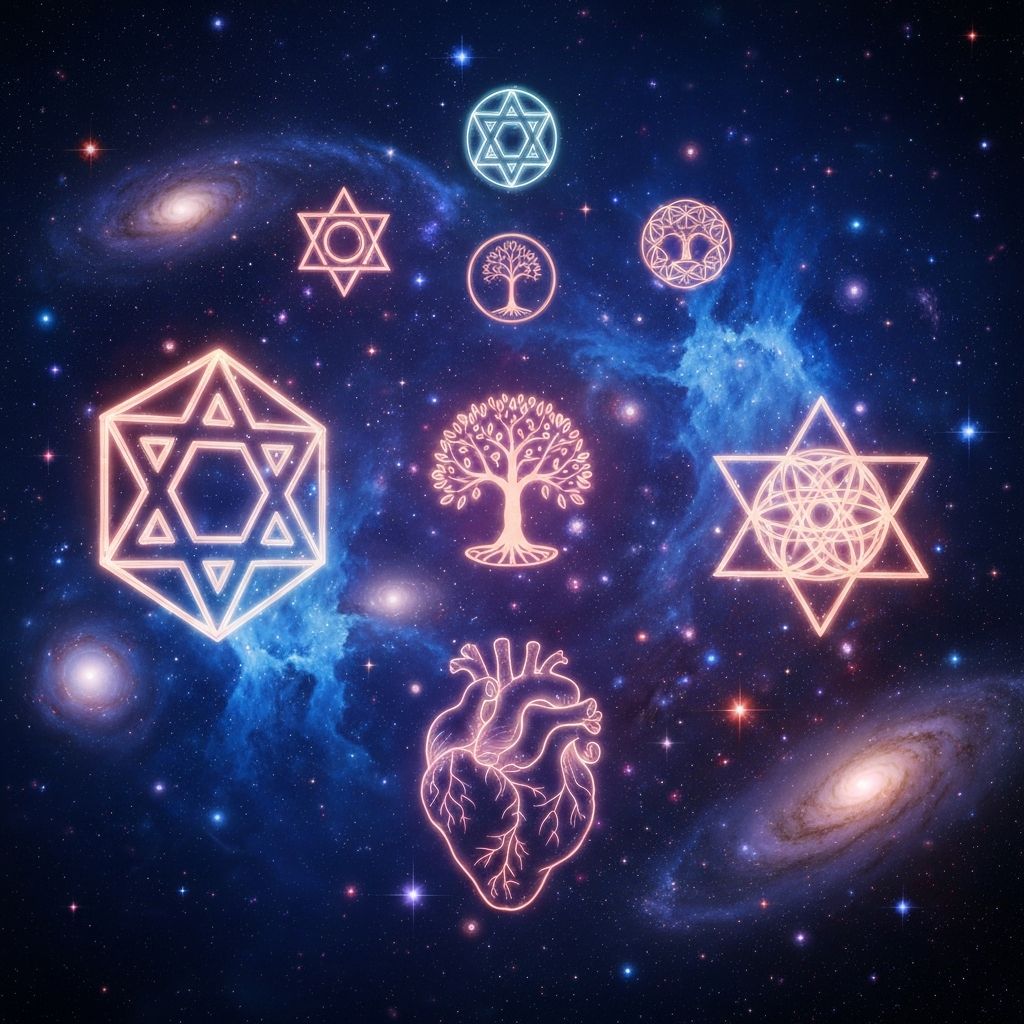
Archetypal Dreams contain universal patterns, symbols, and themes that appear across cultures and throughout human history. Identified by Carl Jung, these dreams tap into the collective unconscious and carry profound meaning beyond personal experience.
Characteristics
Archetypal dreams typically:
- Feel especially vivid and numinous
- Carry an emotional intensity and significance
- Feature universal symbols recognizable across cultures
- Seem mythological or larger-than-life
- Leave a lasting impression upon waking
- Address fundamental human experiences
Common Archetypes in Dreams
The Hero
- Embarking on quests or journeys
- Overcoming obstacles and adversaries
- Discovering inner strength
- Rescuing others or self
The Shadow
- Dark figures or threatening presences
- Repressed aspects of self
- Moral conflicts and taboo themes
- Integration challenges
The Wise Old Person
- Teachers, guides, or mentors
- Offering wisdom or guidance
- Grandparental figures
- Spiritual advisors
The Anima/Animus
- Opposite-sex figures representing inner masculine/feminine
- Romantic or mysterious strangers
- Soul figures offering guidance
The Great Mother
- Nurturing or devouring maternal figures
- Nature, earth, or fertile imagery
- Protection and nourishment themes
The Trickster
- Playful, mischievous characters
- Disrupting order and expectations
- Teaching through chaos
- Shape-shifters and jokers
The Child
- Innocence and new beginnings
- Vulnerability and wonder
- Future potential
- Neglected aspects of self
Symbolic Elements
Archetypal dreams often feature:
- Water: Unconscious, emotions, life source
- Mountains: Challenges, spiritual heights, goals
- Forests: Unknown, unconscious, natural wisdom
- Circles/Mandalas: Wholeness, self, completion
- Quaternities: Four elements, directions, balance
- Spirals: Growth, evolution, life cycles
Cultural Universality
These dreams appear across:
- All time periods and historical eras
- Every geographical region and climate
- Diverse cultural and religious backgrounds
- Different socioeconomic contexts
- Various age groups and developmental stages
Distinguishing Features
Archetypal dreams differ from personal dreams:
- Intensity: Overwhelming emotional impact
- Universality: Themes anyone could understand
- Numinosity: Sacred or spiritual quality
- Memorability: Remain vivid for years or lifetime
- Transformative: Often mark major life transitions
Psychological Significance
Archetypal dreams serve to:
- Connect individual to human collective
- Address fundamental life questions
- Facilitate major psychological transitions
- Integrate universal human experiences
- Access deep wisdom and knowledge
Life Transitions
Archetypal dreams often occur during:
- Coming of age (adolescence)
- Major career changes
- Relationship beginnings or endings
- Illness or health crises
- Spiritual awakenings
- Near-death experiences
- Midlife transitions
- Approaching death
Interpretation Approach
Working with archetypal dreams:
- Recognize the numinous quality
- Identify archetypal figures and symbols
- Research cross-cultural meanings
- Connect to personal life situation
- Honor the dream's significance
- Allow integration over time
Examples
Classic archetypal dream scenarios:
- Descending into underworld/caves
- Climbing sacred mountains
- Meeting wise guides at crossroads
- Battling monsters or dragons
- Finding treasures in hidden places
- Encountering divine or mythical beings
- Experiencing death and rebirth
- Participating in ancient rituals
Therapeutic Value
Archetypal dreams provide:
- Perspective beyond personal problems
- Connection to human heritage
- Meaning during difficult transitions
- Access to collective wisdom
- Validation of universal experiences
- Spiritual or transcendent understanding
Related Concepts
- Collective Unconscious: The source of archetypes
- Individuation: Process featuring archetypal encounters
- Big Dreams: Especially significant archetypal experiences
Note: While archetypal dreams carry universal meanings, personal context and cultural background also inform interpretation. Consider both universal and individual dimensions when exploring these profound dream experiences.